
Exploration
Explore Light No Fire's Earth-sized procedural planet — every mountain climbable, vast oceans to sail, biomes, caves and landmarks with no world boundary.
Introduction
The headline feature of Light No Fire is its world: a procedurally generated fantasy planet at one-to-one Earth scale, presented as an 'unexplored Earth' where every mountain can be climbed and every ocean crossed with boats and crews. Exploration is one of the game's four official pillars, and the reveal trailer leans into it heavily — endless mountain ranges, deep forests, glowing caves and vast seas. This category is your guide to moving through that world: the true scale of the map, the biomes and landscapes promised, navigation without a hand-holding map, the weather and day-night cycle, and the practical question of how you get anywhere on a planet the size of Earth. Confirmed details come from the official site and trailer; travel mechanics beyond flying, riding and sailing remain community expectation.
World & Biome Quick Reference
| Feature | Description | Travel Method |
|---|---|---|
| Earth-scale world | 1:1 procedural planet, no boundaries | On foot, mounts and dragons |
| Oceans & seas | Real oceans between continents | Large boats with crews |
| Mountains | Every peak climbable | Climbing gear or dragon flight |
| Caves & ruins | Glowing caves and ancient earth | On foot with light sources |
World Features
Earth-Sized World
A procedural planet at one-to-one Earth scale with no boundaries
Climbable Mountains
The promise that every peak can be conquered
Ocean Sailing
Real oceans crossed with large boats and crews
Hidden Caves & Ruins
The ancient earth beneath the surface, full of secrets
Core Mechanics
Exploration in Light No Fire is defined by scale and freedom. The planet is procedural at one-to-one Earth scale, meaning the landmass is comparable to our own world and there is no artificial boundary between players — the official pitch calls it an 'unexplored Earth.' Movement spans multiple layers: walking and climbing for close terrain, tamed beasts for overland travel, flying dragons for the air, and boats with crews for the oceans, which the site emphasizes as real bodies of water that must be crossed by ship. Navigation is expected to rely on landmarks and the sky rather than a typical quest compass, matching the game's emphasis on discovery. The world is described as 'massively varied and dense,' with biomes ranging from forests and deserts to snowy peaks and glowing underground caves. A day-and-night cycle and weather are strongly implied by the fantasy survival setting, and the ancient, lore-filled 'earth' hints at ruins and secrets hidden across the map.
Advantages
Exploration is where Light No Fire's premise pays off most directly, and preparing for it multiplies your enjoyment. A 1:1 Earth-scale world with no boundaries means the classic survival tension — fear of the unknown — is real, but it also means genuine discovery: places 'no one has seen before' are a stated goal of the design. Understanding the travel layers early lets you pick the right tool for each journey, avoiding hours of slow walking. Knowing the biome range helps you plan what to carry — light for caves, warm gear for peaks, boat materials for coastlines. For builders and community players, exploration skills directly feed the other pillars: you scout the best settlement sites, find rare resources and chart routes that become community knowledge. And because the world is shared, your discoveries can become landmarks for other players, turning exploration into a social contribution.
Challenges
The scale that makes Light No Fire exciting is also its biggest practical risk. A 1:1 Earth is genuinely enormous, and without confirmed fast travel, navigation, respawn and mapping systems, players may spend most of their time simply getting somewhere. The trailer shows no quest compass or map interface, which fuels both the romantic idea of landmark navigation and the realistic fear of getting hopelessly lost. Weather and survival needs — food, warmth, shelter — are implied but unconfirmed, and an unexpected storm or nightfall could make exploration punishing in ways the community cannot plan for. Multiplayer raises further questions: on a shared world, is the map identical for everyone, and how do you find friends across billions of square kilometers? These open questions mean exploration advice here is grounded in the confirmed premise and clearly marked where it relies on assumption.
Frequently Asked Questions
How big is the Light No Fire map?+
Are there biomes in Light No Fire?+
How do you travel long distances in Light No Fire?+
Quick Tips
Embrace the no-boundary premise but respect the scale: plan every expedition with a clear objective, a return route and enough supplies, because a 1:1 Earth will not forgive an unplanned overnight trip, and getting lost without food or shelter could set your progress back badly. Preparation is the difference between a great story and a frustrating rescue.
Learn the three travel layers — beasts for land, boats for sea, dragons for air. Choosing the right one per journey is the single biggest time-saver on an Earth-sized map, and mastering when to switch between them turns overwhelming distances into manageable, rewarding journeys. Flexibility with travel tools keeps every region of the map within reach.
Treat unconfirmed systems like fast travel and maps as bonuses, not assumptions. If the game truly has no quest compass, landmark-based navigation becomes a core skill worth practicing early, and learning to read the terrain and the sky will serve you well regardless of what tools the developers eventually add.
Pack for the biome. Light for caves, warm gear for peaks and boat materials near coastlines — the varied world punishes single-environment loadouts, so tailoring your gear to the region you are entering keeps you alive and lets you explore farther before turning back. A well-stocked pack lets you explore deeper and stay out longer between supply runs.
Leave your mark: in a shared world, charted routes, named landmarks and discovered ruins become community knowledge. Exploration done well is a gift to every other player, and documenting what you find is one of the most rewarding ways to contribute to Light No Fire's shared planet. Your discoveries become part of the shared story that defines Light No Fire.
Featured
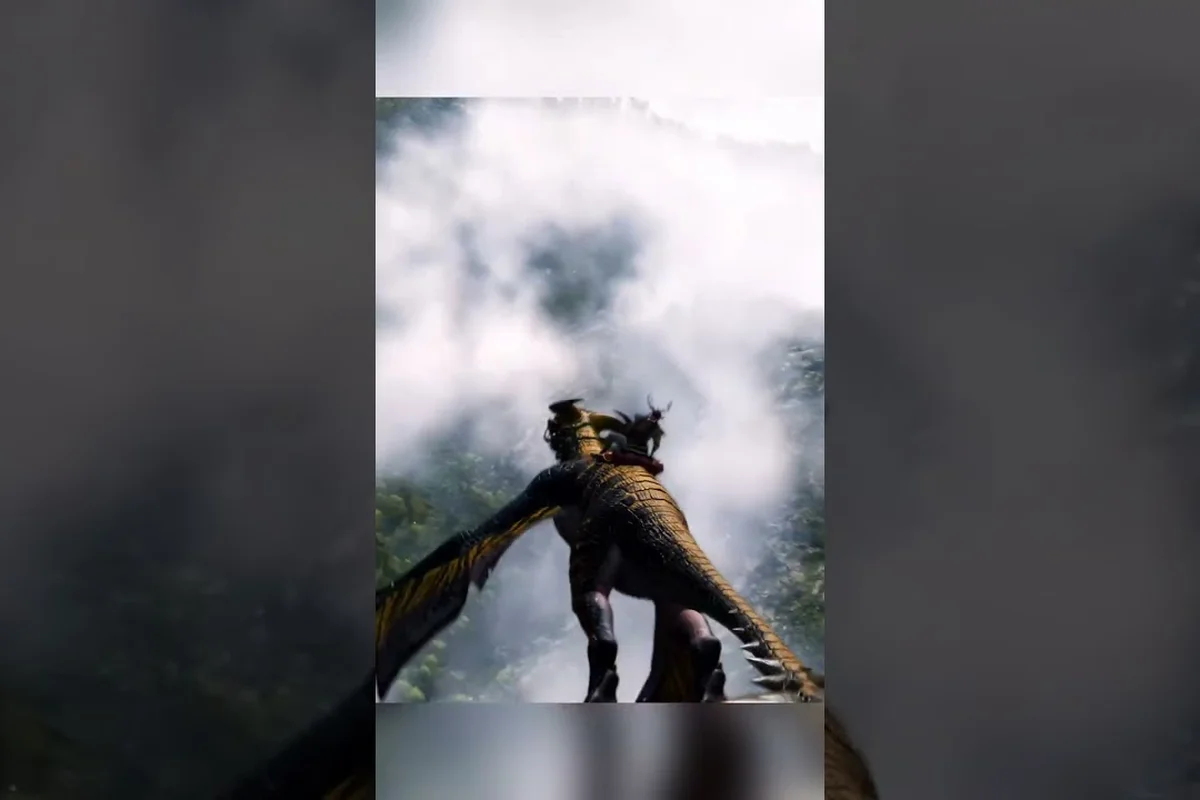
Light No Fire Forests: Caves, Weather & Compass Navigation
Explore Light No Fire forests and underground caves. Learn seasonal weather patterns and compass navigation to traverse dense biomes and find hidden secrets.

Light No Fire Planet: Terrain, Flora, Fauna & Coordinates
Discover the Light No Fire planet: a fantasy Earth with diverse terrain, flora, and fauna. Learn travel tips and coordinate systems for endless exploration.

Light No Fire Map Guide: Climb, Sail & Navigate 2026
Navigate Light No Fire's map guide: a 1-to-1 Earth with immersive biomes, real oceans, and boats. Get great coordinates for your next expedition.
All Articles

Light No Fire Ships: Rivers, Mountains & Island Landmarks
Master Light No Fire ships for traversing real oceans and rivers. Discover how boats unlock mountain landmarks, continents, and islands on the shared Earth.
Light No Fire World Size: Earth-Scale Map & Rare Resources
Understand Light No Fire world size: a procedural Earth where every mountain is climbable. Learn how vast continents hide rare resources and unexplored vistas.
Light No Fire World Map: Size, Biomes & Vast Oceans
Explore the Light No Fire world map: an Earth-sized planet with diverse biomes. Learn map size, sailing routes, and vast undiscovered landmarks.
Light No Fire Climb Mountains: Highest Peaks & Oceans
Learn to climb mountains and dive into the deepest oceans in Light No Fire. Master exploration tips, navigation, and day-night survival as you explore.