
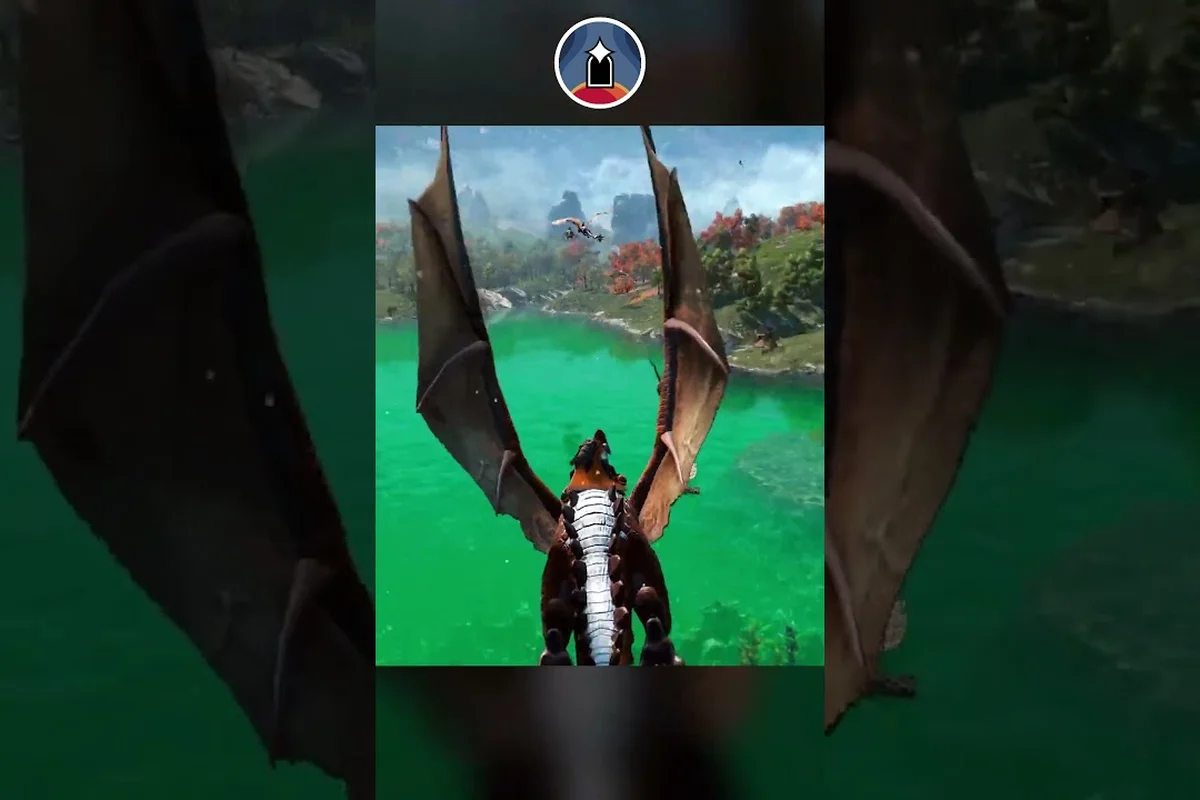
Light No Fire creature taming is the gateway to traversing a procedurally generated planet the size of Earth, and understanding how it works will completely change the way you explore. Hello Games has promised a world where you can "ride wild beasts through fantastical landscapes" and "fly dragons over undiscovered landscapes," which means your mount choices directly shape your survival strategy. Whether you are chasing the best flying mount for speed or a sturdy ground companion for hauling resources, this Light No Fire taming guide for beginners breaks down everything we know so far, from the official Steam listing to community reports from the announcement trailer.
The core loop is simple: find a creature, earn its trust, and turn it into a reliable partner. But the details matter, because different beasts excel in different roles, and some mythical creatures may require advanced techniques or rare items. Get the latest breakdown of confirmed mechanics, likely taming steps, and practical advice for building your ideal stable before the game launches.
Tameable Creatures, Movement, and Terrain Use
| Tameable Creature Type | Movement Mode | Terrain Use Case | Reference Source |
|---|---|---|---|
| Dragon | Flight | Crossing mountain peaks and undiscovered landscapes | Announcement Trailer (2:05) |
| Wild Beast | Ground Mount | Riding across fantastical landscapes | Steam Store Page |
| Horse | Ground Mount | Overland travel across varied biomes | Internal Wiki: Ride Horses |
| Wolf | Ground Mount | Combat support / pack travel | Internal Wiki: Dragon Egg |
| Bear | Ground Mount | Heavy carrying / rugged terrain | Internal Wiki: Dragon Egg |
The taming system sits at the heart of Light No Fire's exploration fantasy, and the developers have been clear that mounts are not just cosmetic additions. According to the official Steam page for Light No Fire, the game is built around an "ancient earth" where survival, building, and adventure intertwine. The trailer, which you can watch on the Hello Games YouTube channel, shows players soaring on dragons and galloping across plains on horned beasts, which confirms that creature riding is a core pillar of the experience.
While Hello Games has not released a full mechanical breakdown yet, community analysis of the trailer and developer interviews points to a system that rewards patience and observation. Based on community reports, taming likely follows a pattern similar to other survival games: approach slowly, offer food or resources, and build trust over repeated interactions.
The core loop hinges on a cycle of scouting, bonding, and survival: you begin by identifying a creature's temperament in the wild (e.g., a skittish Gryphon vs. a territorial Wyvern), then earn its trust through targeted feeding and non-lethal pacification, and finally unlock its utility as a mount, pack animal, or combat ally. This process is heavily influenced by your character's Fae magic proficiency, which directly reduces taming time, and your survival skills, as a poorly timed storm or predator ambush can reset the creature's trust meter to zero, forcing a fresh start.
-
Scouting: Identify a creature you want to tame and study its behavior from a safe distance.
-
Approach: Move slowly and avoid sudden movements, because skittish beasts may flee or attack.
-
Feeding: Offer the creature's preferred food, which may vary by species and region.
-
Trust Building: Repeat positive interactions to raise the creature's affinity toward you.
-
Mounting: Once trust is high enough, you can equip a saddle or harness and ride.
The Trust Affinity System is the key mechanic to understand, because it likely determines how quickly a creature bonds with you. Some beasts may require multiple feeding sessions spread across in-game days, while others might bond after a single well-timed offering. The Creature Disposition Meter will probably appear on your HUD when you target a wild animal, giving you real-time feedback on whether your approach is working or scaring the beast away.
Building Your Light No Fire Mounts List
Since the game features a planet-sized world with diverse biomes, the Light No Fire mounts list will likely include dozens of species, each adapted to its environment. The announcement trailer showcased several distinct creatures, and the Steam description explicitly mentions "ride wild beasts" and "fly dragons," which gives us a solid starting point for what to expect.
| Creature Type | Likely Habitat | Primary Use | Estimated Speed |
|---|---|---|---|
| Horned Ground Beasts | Grasslands, Plains | Cargo hauling, ground travel | Moderate |
| Forest Striders | Dense Woodlands | Agility, stealth approaches | Fast |
| Desert Runners | Arid Zones, Dunes | Long-distance endurance | Very Fast |
| Mountain Climbers | High Peaks, Cliffs | Vertical traversal | Slow but sure-footed |
| Dragons | Sky, High Altitudes | Aerial travel, combat support | Fastest |
This table represents community expectations based on the trailer and genre conventions, not confirmed in-game data. However, the pattern is clear: your choice of mount should match your current objective. If you are scouting a new region, a fast ground mount works well. If you need to cross a mountain range, a flying companion becomes essential.
The Biome Adaptation Mechanic is worth noting, because creatures will likely have stamina or comfort penalties outside their native environment. A desert runner may tire quickly in snowy tundra, while a mountain climber excels on rocky terrain. Planning your route around your mount's strengths will save you time and resources, especially when you are exploring unfamiliar territory.
Light No Fire Dragon Gameplay and Flying Mounts
Dragon gameplay is the most anticipated feature in Light No Fire, and for good reason. The trailer's sweeping aerial shots show players soaring above clouds, diving between peaks, and crossing vast oceans that would take hours to navigate on foot. If you are looking for the best flying mount, dragons are the obvious answer, but they may not be the only option.
When choosing a flying mount in Light No Fire, players must weigh speed against stamina regeneration, as the game’s wyvern-class creatures excel in raw velocity but drain their Stamina bar quickly during sustained climbs, while the more durable Roc-type mounts offer slower cruising speeds yet possess a higher base Health pool for surviving hostile encounters. For beginners focused on light no fire creature taming, prioritizing a mount with balanced stats—such as the Swiftfeather Condor—is often wiser than chasing the fastest dragon, since an early-game tamer lacks the high-tier Saddle upgrades needed to offset poor stamina recovery. This trade-off directly impacts your ability to escape aggressive ground predators or traverse the mountainous terrain between biomes, making a mount’s handling and endurance more critical than its top speed for most exploration scenarios.
-
Dragons: Likely the fastest and most powerful option, but probably the hardest to tame and maintain.
-
Giant Birds: A possible alternative for players who want aerial travel without the risk of dragon temperament.
-
Pterosaur-like Creatures: Mid-tier flying options that may balance speed and ease of taming.
The Dragon Bonding Process will likely be more involved than taming a simple ground beast. Community speculation suggests that dragons may require special items, specific locations, or even quest-like progression to unlock. Some players believe that finding a dragon egg and raising the hatchling from birth could create a stronger bond than taming a wild adult, which is a theory worth exploring when the game launches.
For a deeper look at how to secure and raise these legendary creatures, check out our Light No Fire dragon mount guide and our breakdown of the dragon egg hatching process.
Light No Fire Taming Guide for Beginners: Step-by-Step
If you are new to survival games or just want a clear path forward, this Light No Fire taming guide for beginners will give you a practical framework to follow. While the exact mechanics may shift by launch, the principles below are based on genre conventions and what the developers have shown so far.
Step 1: Gather the Right Resources
Before you approach any creature, make sure you have food, a saddle or harness, and enough stamina to chase your target if it flees. Different species will prefer different foods, so experiment with berries, meat, and other foraged items to find what works.
Step 2: Observe from a Distance
Use a vantage point to watch the creature's patrol patterns and interactions with other animals. This will help you plan your approach and avoid startling it. The Observation Bonus may even give you a small affinity boost when you finally make contact, because the game could reward careful study.
Step 3: Approach Slowly and Steadily
Move in a straight line toward the creature without sprinting. Sudden movements or direct eye contact may trigger a fight-or-flight response. If the creature shows signs of agitation, stop and wait for it to calm down before continuing.
Step 4: Offer Food and Build Trust
When you are close enough, offer the food item from your inventory. The creature may approach cautiously, sniff the offering, and then accept it. Repeat this process over several encounters to raise its trust level. The Feeding Cooldown will likely prevent you from spamming food, so plan your sessions carefully.
Step 5: Equip Your Saddle and Mount
Once the creature accepts your presence without aggression, equip the saddle or harness and attempt to mount. The first few rides may be rocky, but your bond will strengthen with time. Some creatures may require you to complete a small minigame or timing challenge to stay mounted, similar to other survival games.
For a complete list of rideable species and their likely traits, our creatures to ride guide covers the ground-based options in detail, but note that saddle compatibility isn't universal across the board. For example, while the Swiftclaw and the armored Borebeast both accept the standard leather saddle, larger species like the Stonehide Rhinox require the reinforced iron saddle unlocked via the Level 4 Taming skill tree, otherwise the mount will buck you off mid-gallop. Cross-referencing that guide with your current saddle inventory will save you from crafting wasted gear before you attempt your first long-distance overland trek.
Solo versus Group Flying Mount Priorities
Not every player wants the same mount, and the best flying mount for you depends on how you plan to play. If you are a solo explorer who values speed and freedom, a dragon is the obvious choice. If you prefer cooperative play and need to transport friends or resources, a larger, slower flying creature might serve you better.
| Mount Type | Speed | Stamina | Combat Ability | Taming Difficulty |
|---|---|---|---|---|
| Young Dragon | Very High | Medium | High | Very Hard |
| Giant Eagle | High | High | Low | Medium |
| Pterosaur | Medium | Very High | Medium | Easy |
| Wyvern | Very High | Low | Very High | Hard |
The Stamina Management System will be critical for long flights, because even the fastest dragon will need to land and rest. Watch your mount's stamina bar and plan landing zones ahead of time, especially when crossing oceans or mountain ranges where safe spots may be rare.
If aerial routes aren't your priority, ground mounts offer a more resource-efficient alternative for surface-level exploration—especially when you're still early in your light no fire dragon egg progression and haven't secured a dragon egg yet. Our horse riding guide compares the best land mounts for speed, endurance, and cargo capacity, breaking down how each species handles different terrain types like dense forests and rocky highlands. Notably, the Highland Strider excels in raw speed but drains stamina quickly on inclines, while the Mossback Bull offers superior cargo capacity for hauling taming resources—a trade-off that matters when you're transporting rare bait across long distances.
Advanced Taming Strategies and Community Insights
Once you have the basics down, you can start experimenting with advanced techniques that the community is already discussing. Based on reports from players who analyzed the trailer frame by frame, certain behaviors may hint at deeper mechanics—for instance, the way a dragon circles a mountain peak before diving could correspond to a stamina-management loop tied to the light no fire best flying mount tier list, where endurance stats dictate how long you can sustain a hover before needing a thermal updraft. This suggests that taming isn't just about the initial bond but about reading environmental cues to optimize your light no fire ride dragons guide approach, a nuance that separates casual tamers from those mastering light no fire mythical creatures.
The Pack Bonding Theory suggests that taming the alpha of a herd may grant you influence over the entire group, allowing you to pick the best specimen without taming each one individually. This could save significant time when you are building a stable of mounts.
Another idea gaining traction is the Elemental Affinity System, which speculates that certain creatures may be tied to elemental forces like fire, water, or wind. A fire-aligned dragon might be stronger in volcanic biomes, while a water creature excels in ocean travel. If this system exists, matching your mount to the environment could provide hidden bonuses.
Players also report that the Time of Day may affect taming success. Some creatures appear more docile at dawn or dusk, while others are more active at night. Experiment with different schedules to find the optimal window for each species.
Finally, do not underestimate the value of Mount Equipment. Saddles, armor, and storage bags can turn a basic mount into a mobile base. Investing in upgrades early will pay off as you venture into more dangerous regions where a well-equipped mount can mean the difference between survival and a long walk home.
Frequently Asked Questions
What is the easiest creature to tame in Light No Fire?
Based on community expectations, smaller ground herbivores will likely be the easiest to tame, because they have lower aggression and simpler food requirements. Look for creatures that graze in open fields and avoid predators. These starter mounts are perfect for learning the taming mechanics before you attempt more challenging beasts like dragons.
How long does it take to tame a dragon?
Dragon taming will probably take significantly longer than standard creatures, potentially spanning multiple in-game days or requiring a special quest chain. Players should expect to invest substantial time and resources, including rare food items and possibly a dedicated taming location. The reward justifies the effort, because a dragon offers unmatched speed and combat capability.
Can you tame mythical creatures other than dragons?
Yes, the Light No Fire mounts list likely includes a variety of mythical creatures beyond dragons, such as griffins, unicorns, and elemental spirits. While the developers have only confirmed dragons so far, the fantasy setting and procedural generation suggest a rich bestiary. Expect some creatures to be region-specific, requiring extensive exploration to discover.
Do mounts level up or improve over time?
While not officially confirmed, most survival games with taming systems include some form of progression for mounts. Your bonded creatures may gain experience through use, unlocking faster speeds, higher stamina, or new abilities. Community speculation suggests that well-maintained mounts could become significantly stronger than their wild counterparts.
What happens if your mount dies?
The consequences of losing a mount aren't fully confirmed, but expect a significant setback. If your Ridgeback Drake dies, you'll likely need to re-tame one in the starter valley with basic rope and 3x Raw Meat—a quick fix. Losing an Aether Wyrm, however, means another high-altitude storm biome trek, costing you hours of playtime.