
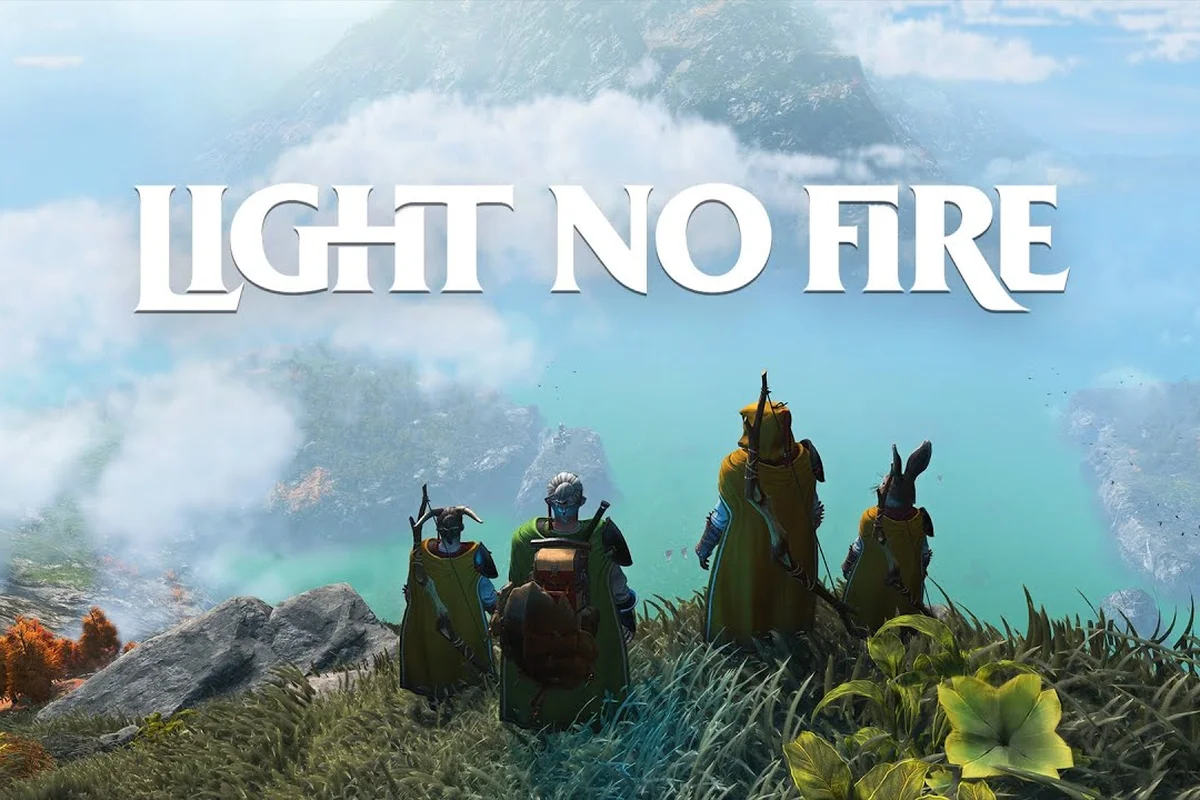
The Light No Fire dragon mount is the most ambitious feature Hello Games has ever built into a survival sandbox, letting you soar across a fantasy planet the size of Earth. While the official Light No Fire Steam page confirms that "fly dragons over undiscovered landscapes" is a core promise, the path from spotting a wild dragon to commanding it in flight remains a mystery for most players. This guide breaks down everything we know about dragon taming, the mount system, and the practical flying strategies that will turn you into a master of the skies.
Mounts as a Simulated Ecosystem
The Light No Fire mount system is fundamentally different from traditional MMO mounts because it operates on a fully simulated ecosystem. Every dragon you encounter exists as an independent creature with its own behaviors, territories, and survival needs, which means the light no fire dragon mount experience is never scripted or predictable. According to community reports from the announcement trailer analysis, dragons are not spawned on demand but live in specific mountain ranges and volcanic regions, making the hunt for a suitable mount a genuine expedition rather than a quick trip to a stable.
The game's procedural generation engine, which Hello Games refined during years of No Man's Sky development, creates dragons with individual scale patterns, wing shapes, and color mutations. This genetic variety matters because different dragon lineages exhibit different flight characteristics, stamina reserves, and temperament levels. The light no fire mount system tracks each creature's bond with its rider through an invisible affinity meter that grows as you feed, groom, and fly with your dragon, unlocking new maneuvers and speed tiers as the relationship deepens.
What makes the light no fire dragon mount particularly exciting is the verticality it introduces to exploration. Unlike ground mounts that follow terrain, dragons can climb to altitudes where the air thins and the landscape below becomes a patchwork of biomes. The Steam description emphasizes that "every mountain can be climbed," but with a dragon mount, you can simply fly over them, surveying the endless vistas and oceans that stretch toward the horizon.
How the Mount System Connects to Creature Taming
The dragon taming process sits within a broader ecosystem of rideable creatures that includes wolves, bears, and horses, each requiring different approaches. While the light no fire dragon mount demands patience and resource investment, the underlying mechanics share DNA with the rest of the taming system. If you want to understand how the affinity system works across all creatures, the creature taming guide breaks down the universal principles that apply to every beast you encounter.
What the Announcement Trailer Revealed
The Light No Fire Announcement Trailer from Hello Games offers the clearest look at how dragons function in the world. The trailer shows riders on dragonback soaring over ancient landscapes, with the creatures responding to subtle input cues that suggest a refined flight model rather than a simple point-and-fly system. Community frame-by-frame analysis has identified what appears to be a dive mechanic that lets riders plunge toward the ground before pulling up at the last moment, which would be essential for navigating the game's dense forest canopies and narrow canyon passages.
Dragon Taming Stages from Approach to Saddle
Dragon taming in Light No Fire follows a multi-stage process that rewards preparation and observation. Based on the light no fire dragon taming mechanics that Hello Games has described in developer commentary, the process begins long before you ever approach a dragon. You need to understand their flight patterns, preferred hunting grounds, and the specific foods that trigger their interest, which means spending time with binoculars or a scouting tool before making your move.
The first stage involves locating a dragon nest or a regular roosting spot, which typically appears in high-altitude areas with thermal updrafts. Once you identify a candidate, you begin the approach phase, where you must remain downwind and avoid sudden movements. Dragons in Light No Fire have exceptional vision and will take flight if they detect a threat, so players report that a slow, deliberate approach with frequent pauses is the only reliable method.
Stage two requires you to offer food while maintaining eye contact but avoiding direct confrontation. The community consensus is that raw meat from large prey animals works best, though some players report success with rare fish from deep ocean areas. The dragon will inspect the offering, and if it accepts, you can begin the bonding phase where you gradually introduce physical contact, starting with the snout and moving toward the neck and shoulders.
Essential Equipment for Dragon Taming
| Equipment | Purpose | Acquisition Method |
|---|---|---|
| Calming Herbs | Reduces dragon aggression during first contact | Foraged in misty highland meadows |
| Raw Prime Meat | High-value food that accelerates trust building | Hunted from large herbivores |
| Rope Harness | Temporary restraint for newly tamed dragons | Crafted from leather and fiber |
| Dragon Saddle | Required for full flight control | Crafted at advanced workbench |
The dragon saddle represents the most significant crafting investment in the taming process, requiring rare materials that typically come from high-level zones. According to player experience shared in community forums, the saddle blueprint appears after you successfully bond with your first dragon, suggesting that Hello Games wants you to earn flight through the taming journey rather than skipping ahead.
Bonding Stages: Observation, Scent, and Trust
-
Observation Phase: Spend 2-3 in-game days watching your target dragon's routine, noting its feeding times and preferred perches.
-
Scent Introduction: Leave food offerings at the dragon's roosting spot for several days, allowing it to associate your scent with positive experiences.
-
First Contact: Approach slowly while the dragon is feeding, keeping your hands visible and your movements predictable.
-
Physical Bonding: Once the dragon tolerates your presence, begin gentle touches along its neck scales while speaking in a calm tone.
-
Harness Training: Introduce the rope harness gradually, rewarding acceptance with food and praise.
-
First Flight: Mount your dragon for short practice flights near ground level before attempting high-altitude navigation.
The light no fire dragon taming process typically takes several real-world hours of dedicated play, which aligns with Hello Games' philosophy of meaningful progression. This investment creates a genuine bond between player and mount, and community reports suggest that dragons remember their riders even after long absences.
Dragon Breeds and Flight Characteristics
Not all light no fire flying dragons are created equal, and understanding the differences between breeds is essential for choosing the right mount for your playstyle. Based on the creature designs visible in the announcement trailer and community analysis of the game's procedural generation systems, we can identify several distinct dragon lineages that will likely appear in the final game.
| Dragon Breed | Flight Speed | Stamina | Temperament | Best For |
|---|---|---|---|---|
| Highland Drake | Moderate | High | Docile | Long-distance exploration |
| Volcanic Wyrm | Fast | Low | Aggressive | Combat and rapid travel |
| Mist Serpent | Slow | Very High | Skittish | Stealth and observation |
| Storm Raptor | Very Fast | Moderate | Proud | Racing and aerial maneuvers |
The Highland Drake is the most commonly reported breed in community discussions, likely because its temperate mountain habitat overlaps with early-game exploration zones. These dragons offer balanced stats that make them ideal for players who want a reliable light no fire dragon mount without specializing too heavily. Their docile temperament also means they are more forgiving during the taming process, making them the recommended first mount for most players.
Volcanic Wyrms represent the aggressive end of the spectrum, with faster flight speeds but significantly lower stamina reserves. These dragons excel at short, explosive bursts of speed, making them perfect for combat encounters or racing between nearby landmarks. However, their aggressive nature means they require a more experienced handler, and the taming process carries higher risk of injury or death.
Choosing Your First Dragon Mount
For players new to the light no fire mount system, the Highland Drake offers the best balance of accessibility and capability. Its moderate speed is sufficient for exploring the game's diverse biomes, while its high stamina lets you maintain flight for extended periods without frequent landing breaks. The docile temperament also reduces the risk of mid-flight tantrums that can send inexperienced riders tumbling toward the ground.
If you are planning to focus on combat or PvP encounters, the Volcanic Wyrm becomes more attractive despite its demanding taming process. The speed advantage in combat situations can mean the difference between escaping a hostile encounter and becoming dragon food, though you will need to plan your flight paths carefully to avoid exhausting your mount's limited stamina.
Advanced Dragon Mount Strategies
Once you have secured your light no fire dragon mount, the real mastery begins with understanding advanced flight techniques and navigation strategies. The game's flight model appears to reward players who think in three dimensions, using thermal updrafts to gain altitude without expending stamina and diving maneuvers to build speed for long-distance gliding.
Community testing suggests that dragons have a stamina regeneration mechanic that activates when you are not actively steering, which means planning flight paths with natural gliding sections can dramatically extend your travel range. The light no fire ride dragons experience becomes a constant calculation of altitude, speed, and stamina, where skilled riders can cross entire continents by chaining thermals and dive cycles.
Navigation and Exploration Techniques
-
Thermal Riding: Look for shimmering air columns near mountain faces and volcanic vents, which provide free altitude gains when you circle within them.
-
Dive-to-Glide Chains: Build speed with a steep dive, then level out to convert that speed into distance while your stamina regenerates.
-
Coastal Routes: Flying along coastlines provides visual landmarks and predictable wind patterns that make navigation easier.
-
High-Altitude Surveying: Climb above cloud level to get a clear view of the terrain below, which helps identify points of interest and safe landing zones.
The light no fire dragon mount transforms exploration from a ground-level slog into a strategic aerial campaign, where you plan routes based on wind patterns, thermal locations, and stamina reserves. This depth is what separates casual riders from true dragon masters, and it rewards the same kind of systematic thinking that made No Man's Sky exploration so compelling.
Combat and Survival from Dragonback
While the announcement trailer focuses on peaceful exploration, community speculation suggests that dragon mounts will also play a role in combat encounters. The Volcanic Wyrm breed's aggressive temperament hints at offensive capabilities, and players report that the dragon saddle includes attachment points that could support weapon systems or cargo containers.
For survival situations, a dragon mount offers the ultimate escape mechanism. When ground encounters turn dangerous, you can simply take to the skies and leave threats behind, though you need to be aware of flying predators that may challenge your airspace. The light no fire wild beasts ecosystem includes aerial threats that can attack you mid-flight, so maintaining situational awareness is crucial even at altitude.
Dragon Mount Progression and Endgame Content
The light no fire dragon mount system appears to include significant progression depth that extends well beyond the initial taming process. Based on the game's RPG elements and the emphasis on long-term character development, players can expect to invest considerable time in improving their dragon's capabilities and unlocking new abilities.
The affinity system likely gates access to advanced maneuvers and stat improvements, meaning that a well-bonded dragon becomes significantly more capable than a freshly tamed one. Community reports suggest that dragons can learn new flight techniques, gain resistance to environmental hazards, and even develop unique cosmetic variations as your bond deepens.
Long-Term Mount Development Goals
| Development Stage | Requirements | Unlocked Benefits |
|---|---|---|
| Novice Bond | Initial taming complete | Basic flight control |
| Trusted Companion | 10+ hours of flight time | Improved stamina regeneration |
| Aerial Partner | Complete advanced training quests | Dive bomb and sharp turn maneuvers |
| Legendary Mount | Max affinity and rare materials | Unique visual effects and max stats |
The progression system ensures that your light no fire dragon mount grows alongside your character, creating a partnership that feels meaningful rather than transactional. This design philosophy aligns with Hello Games' stated goal of creating a world where players feel genuinely connected to their environment and the creatures within it.
For players interested in the broader ecosystem of rideable creatures, the creatures to ride guide covers the full range of mounts available in the game, including ground-based options that may be more practical for certain activities. Similarly, the dragon egg guide explores the possibility of hatching and raising dragons from eggs, which could offer a different path to obtaining your ideal mount.
Frequently Asked Questions
How do I find dragons in Light No Fire?
Dragons typically inhabit high-altitude mountain ranges and volcanic regions, so focus your search on elevated terrain. Use scouting tools to observe flight patterns from a distance, and look for roosting spots near thermal updrafts. The light no fire dragon mount hunt requires patience, as dragons follow daily routines that you must learn to predict.
What is the best dragon breed for beginners?
The Highland Drake is the recommended first mount because it offers balanced stats and a docile temperament that forgives mistakes during the taming process. Its moderate speed and high stamina make it suitable for exploring the game's diverse biomes, and its habitat overlaps with early-game zones, making it easier to locate.
Can I ride dragons in combat situations?
Yes, though combat effectiveness depends on your dragon breed and bond level. Volcanic Wyrms excel in combat due to their speed, while other breeds may struggle in extended engagements. Your dragon's affinity level affects maneuverability and responsiveness, so invest time in bonding before relying on aerial combat tactics.
How long does dragon taming take?
The full light no fire dragon taming process typically takes several real-world hours, including observation, approach, and bonding phases. The exact duration varies based on your preparation, the dragon's temperament, and your skill at reading creature behavior. Rushing the process usually results in failure, so patience is essential.
Do I need a special saddle to ride dragons?
Yes. The dragon saddle is mandatory for flight control and unlocks after bonding with your first dragon. Its blueprint demands rare materials from high-level zones, so plan a crafting expedition before taking to the skies. Without it, you cannot steer or land properly on the Earth-sized planet.