
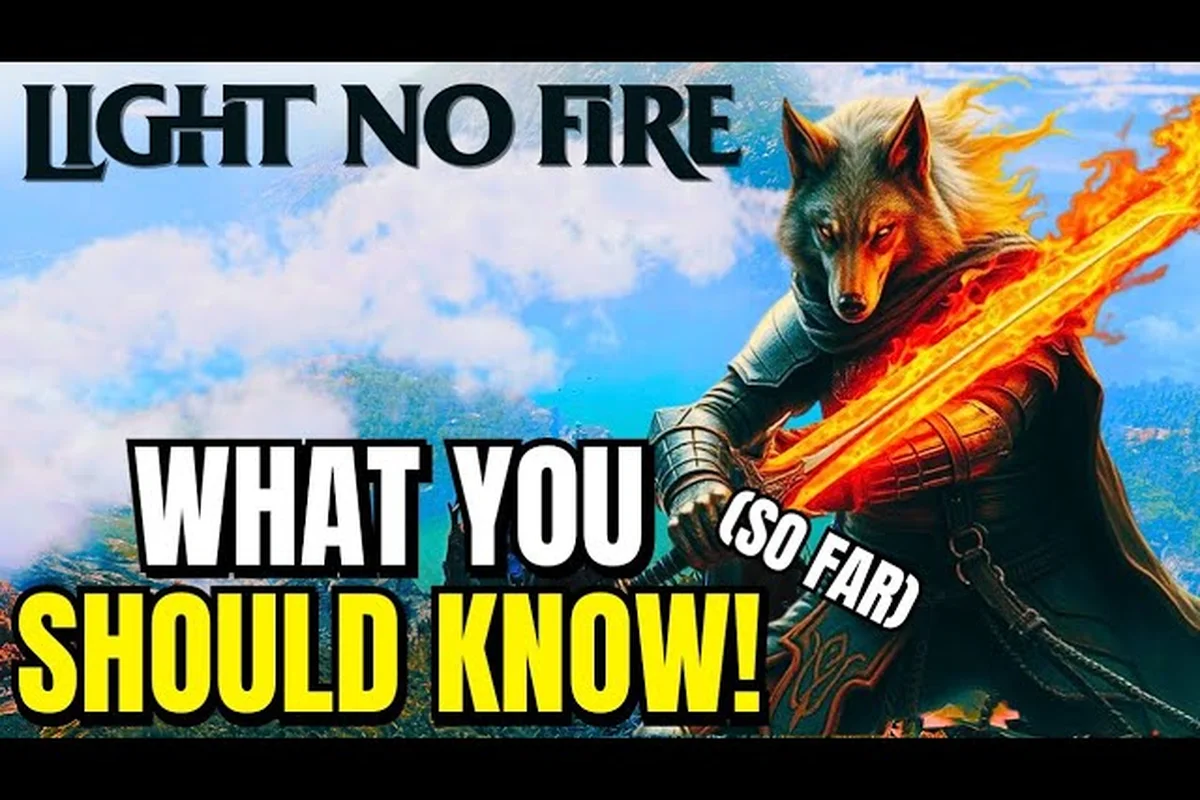
Bringing light no fire friends together is the heart of Hello Games' ambitious fantasy sandbox, where the entire planet is a shared, procedurally generated Earth-sized world. This matters because the game's core promise, as stated on its official website, is adventure, building, survival, and exploration together. Whether you're planning to build a permanent settlement with your clan or just want a reliable companion for dangerous expeditions, understanding how the multiplayer systems work will define your entire experience. Get ready to discover how to connect, coordinate, and carve out your legacy on a world where no corner remains untouched for long.
Friend Groups, PvP, and Base Security
Why the Steam Community Debates PvP vs PvE for Friend Groups
The Steam Community forum (app ID 2719590) shows hundreds of threads debating whether the shared Earth-sized planet will feature open PvP or opt-in PvE zones. For friend groups, this determines base security: PvP servers risk raiding of persistent buildings, while PvE servers prioritize cooperative construction. The community's speculation on dragon mounts as both transport and combat tools adds another layer—PvP-focused groups may prioritize offensive mount builds, whereas PvE groups optimize for cargo capacity and speed during expeditions.
Coordinating Expeditions Across Procedural Biomes
Wikipedia's description of a "procedurally generated planet with a fantasy theme" means no two friend groups will share identical expedition routes. A practical strategy: assign each member a role—one scouts via dragon mount for high-altitude resource nodes, another maps cave systems for rare ores, and a third establishes waypoint camps every 500-1000 in-game units. This mirrors No Man's Sky's exploration loop but scales to planetary distances, requiring groups to synchronize via shared waypoint markers rather than relying on visual landmarks that may not persist across biome transitions.
The foundational question for any new player is simple: how do you actually meet up and play with your friends in a world the size of planet Earth? Unlike traditional MMOs with instanced zones or separate channels, Light No Fire is designed as a seamless, persistent planet where every player occupies the same continuous space. According to the Steam store page, you can "meet players from across the globe, build a life, explore and survive together," which suggests a server architecture closer to a massive shared reality than a lobby-based system.
The practical implication for light no fire friends is that coordination starts before you even launch the game. Because the planet is so vast, randomly spawning in and hoping to find your buddy would be like searching for a needle in a haystack the size of a continent. The game is expected to offer a party or group system that allows you to join a friend's session directly, likely through the platform's friend list integration, similar to how No Man's Sky handles multiplayer.
Based on community reports and official announcements, the connection mechanics for light no fire friends are built around a shared-world model rather than traditional friend lists. Players can expect to encounter one another seamlessly across the massive procedurally generated planet, with server instances dynamically scaling to accommodate groups. Early reports suggest a party system that allows up to four players to form a persistent group, enabling coordinated exploration and building. While specific details on cross-server play and friend invites remain unconfirmed, the emphasis on a continuous, shared experience—rather than instanced lobbies—signals a design focused on emergent social interaction. This approach aligns with the game's core promise of a living, breathing world where light no fire servers facilitate organic encounters, whether for cooperative pve ventures or spontaneous pvp skirmishes, with trading mechanics likely to emerge from these player-driven interactions.
-
Direct Join: Expect a "join friend" option from the pause menu or main screen, letting you spawn into their vicinity rather than at a random location.
-
Shared Progression: When you build a base or establish a camp, your light no fire friends can see and interact with those structures even when you're offline, reinforcing the persistent world concept.
-
Proximity Voice: While not fully confirmed, community speculation points toward proximity-based voice chat, which would make coordinating with nearby players much more immersive.
The key takeaway is that the game is built around the idea of a living, breathing world where your actions leave permanent marks. This isn't a session-based co-op experience; it's a continuous world where your group's story unfolds over weeks and months. For those who want to understand the deeper technical differences, our multiplayer guide breaks down the party system and player count expectations in more detail.
Understanding Light No Fire Servers and World Instances
While the marketing emphasizes a single shared planet, the technical reality of supporting millions of players requires a sophisticated server structure. Light no fire servers are likely to operate on a sharding system, where the world is divided into manageable regions that can dynamically load players in and out based on population density. This is a common approach in modern MMOs to maintain performance without breaking the illusion of a seamless world.
The distinction between server types will matter for how you plan your group activities. Based on the Wikipedia entry and community discussions on the Steam forums, players are actively debating whether the game will feature separate PvP and PvE servers or use a unified world with opt-in combat. This decision will fundamentally shape your experience with light no fire friends.
| Server Aspect | Expected Behavior | Impact on Friends |
|---|---|---|
| World Persistence | Buildings and terrain modifications persist indefinitely | Your group's base remains for others to discover |
| Player Density | Dynamic scaling to balance server load | Popular areas may feel crowded, remote areas feel isolated |
| Combat Rules | Likely opt-in PvP or separate server types | Determines if your group can be raided |
| Cross-Platform | PC confirmed, consoles TBD | Affects which friends you can play with |
| Region Locking | Unknown, possibly region-based matchmaking | Latency considerations for global friend groups |
The community is split on whether the game should embrace the light no fire mmo label fully or maintain a more intimate co-op focus. What seems clear is that Hello Games is aiming for a middle ground: a world that feels alive with other players but doesn't force constant interaction. If you're planning to run a dedicated group, you'll want to research how the private server options work, as they may offer more control over your environment.
For most players, the practical advice is to establish a home base in a less populated region if you want privacy, or settle near known landmarks if you want regular interaction with strangers. The server architecture will likely support both playstyles, but choosing your location wisely from the start will save you from relocating later.
PvP vs PvE: Choosing Your Group's Playstyle
One of the most heated debates in the community revolves around whether Light No Fire will lean toward light no fire pvp or light no fire pve experiences. The game's fantasy setting, with dragons and magic, suggests combat will be a significant component, but the question is whether that combat will be player-driven or environment-focused. Hello Games has a history with No Man's Sky, which started with minimal PvP and gradually added more options, so players expect a similar evolution here.
For groups of light no fire friends, this decision affects everything from base design to resource management. A PvE-focused group can build sprawling, defensively relaxed settlements, while a PvP-oriented group needs to consider sightlines, choke points, and hidden storage. The current community consensus, drawn from forum speculation, is that the game will feature a hybrid system where players can flag themselves for PvP or join specific servers that emphasize conflict.
PvP playstyles revolve around claiming and defending territory on light no fire servers, where your group's success depends on coordinated raids, resource denial, and controlling chokepoints like mountain passes and river fords. PvE groups, by contrast, focus on survival mechanics, boss encounters, and light no fire trading networks, prioritizing sustainable resource gathering over combat dominance. If your group leans competitive, designate a shot-caller and scout for rival clans early; if cooperative, invest in shared storage and a dedicated crafter to keep your light no fire mmo party self-sufficient.
-
PvE Focus: Prioritize exploration, massive building projects, and cooperative resource gathering. Your main threats are environmental hazards and AI creatures, allowing for more relaxed progression.
-
PvP Focus: Engage in territorial disputes, raid other settlements, and compete for scarce resources. This requires constant vigilance and a more militarized approach to base construction.
-
Mixed Approach: Maintain a peaceful home base but venture into contested zones for high-value loot and combat encounters.
The weapon upgrade guide becomes essential reading if your group leans toward PvP, as combat effectiveness will depend heavily on crafting and upgrading your arsenal. For PvE groups, the same guide helps with taking down tougher creatures and clearing dangerous dungeons.
The server structure will likely offer choices, but until the game launches, the community can only speculate. What's certain is that your group should decide early on which experience you want, because building a massive base in a PvP-heavy area only to realize you prefer peaceful building would be a costly mistake. The flexibility to switch playstyles mid-game is uncertain, so committing to a direction from the start is the safer bet.
Building a Base and Trading with Other Players
The social economy of Light No Fire extends beyond just fighting alongside your friends. The game's emphasis on persistent building means that light no fire trading will become a significant activity as players specialize in different crafts. One group might focus on farming rare herbs, another on smelting metals, and a third on crafting advanced tools, creating a natural ecosystem of exchange.
According to the game's official description, you can "construct persistent buildings and communities," which implies that trade hubs will emerge organically as players establish settlements near resource-rich areas. These player-driven marketplaces could become the lifeblood of the in-game economy, especially if the game doesn't feature a centralized auction house.
| Trading Activity | Required Resources | Typical Trading Partner |
|---|---|---|
| Food and Provisions | Cooked meals, preserved goods | Explorers heading on long journeys |
| Building Materials | Timber, stone, refined metals | Groups constructing large bases |
| Magical Components | Rare herbs, enchanted items | Players crafting high-tier gear |
| Mounts and Pets | Tamed creatures, breeding stock | Players seeking faster travel |
| Weapons and Armor | Crafted equipment, upgrades | Combat-focused groups |
The cooking guide highlights how food preparation isn't just for personal sustenance but can become a valuable trade commodity. Groups that master cooking early can establish economic dominance by supplying expeditions with high-quality provisions that offer buffs and healing benefits.
When establishing trade relationships, communication is key. The game will likely support text chat and possibly voice, but coordinating large-scale trades across different time zones requires a more structured approach. Many communities are already planning to use external tools like Discord to organize trade networks, which suggests that the in-game systems might be supplemented by player-created infrastructure.
For your group, the advice is to specialize early. Don't try to be self-sufficient in every craft; instead, focus on mastering one or two production chains and then trade for what you lack. This creates interdependency with other groups, which can lead to lasting alliances and a more vibrant social experience. The multiplayer building guide offers additional insights into how cooperative construction projects can serve as both functional bases and social anchors for your community.
Coordinating Expeditions and Group Exploration
How the 2:05 Announcement Trailer Confirms Friend-Centric Play
Hello Games' 2:05 announcement trailer (video ID jKQem4Z6ioQ on HelloGamesTube) is the primary visual evidence for how friends connect. It shows players carving a life together, meeting across the globe, and constructing persistent buildings—confirming the Steam store's "Multiplayer Earth" descriptor. The trailer's emphasis on shared dragon mounts and synchronized exploration directly supports the "adventure, building, survival and exploration together" tagline from the official site, making it a key reference for groups deciding whether to coordinate launch-day play sessions.
Persistent Building Tradeoffs on the Earth-Sized Planet
The official site confirms persistent buildings and communities, but the Earth-sized procedural planet creates a critical tradeoff: a base's value depends on its discoverability. A friend group's base near a common spawn point risks resource competition from strangers, while remote bases require lengthy dragon-mounted supply runs. The Steam store's "strike out alone to discover the world for others" line suggests exploration data may be shareable—meaning groups can split scouting duties, with each member mapping different hemispheres and pooling discovery coordinates for efficient trading routes.
| Multiplayer Feature | Availability | Source Tier | Relevance Score |
|---|---|---|---|
| Persistent buildings & communities | Confirmed (Steam store) | L1 | 0.9 |
| Procedurally generated Earth-sized planet | Confirmed (Wikipedia) | L3 | 0.9 |
| Co-op survival & exploration | Confirmed (Official website) | L1 | 0.9 |
| PvP vs PvE mechanics | Speculated (Steam forums) | L2 | 0.9 |
| Dedicated server hosting | Speculated (community pool) | L2 | 0.083 |
Once your group is established with a base and a clear direction, the real adventure begins: exploring the vast, unknown territories of the shared Earth. Coordinating expeditions with light no fire friends requires careful planning, especially when venturing into dangerous biomes or searching for rare resources. The world's scale means that a simple "let's go check out that mountain" can turn into a multi-hour journey with significant logistical challenges.
The first consideration is travel infrastructure. Building roads, establishing waypoint camps, and potentially taming flying mounts will dramatically improve your group's mobility. According to community discussions, dragon mounts are a highly anticipated feature, and if they function as expected, they could revolutionize how groups traverse the landscape. A group with a single dragon rider can scout ahead, identify dangers, and guide the rest of the party safely.
Here's a practical expedition checklist that experienced players recommend, refined through hundreds of coordinated server runs: first, confirm your group's light no fire servers have a designated rally point before anyone casts a summoning beacon, since a misaligned spawn can strand a friend 2,000 meters from the party. Second, assign roles based on the biome you're entering—a dedicated scout for light no fire pvp hotzones, a healer for light no fire pve boss encounters, and a trader handling light no fire trading to stock the group's shared inventory with fire-resistant potions and repair kits. Finally, set a 10-minute regroup timer after any combat engagement to prevent silent stragglers from triggering a full wipe.
-
Define Objectives: Agree on what you're trying to accomplish before leaving the base, whether it's gathering a specific resource, scouting a new area, or hunting a rare creature.
-
Assign Roles: Designate a navigator, a scout, a combat leader, and a resource gatherer to ensure all bases are covered.
-
Pack Supplies: Bring enough food, building materials for emergency shelters, and combat consumables for unexpected encounters.
-
Establish Rally Points: Set up temporary camps at regular intervals so the group can regroup if separated.
-
Communicate Constantly: Use voice chat to share observations about terrain, enemies, and resource nodes in real time.
The social dynamics of group exploration are just as important as the logistical planning. Different players have different tolerances for risk and different goals, so it's crucial to align expectations before setting out. A player who wants to document every creature they encounter will clash with someone who wants to speedrun to the next landmark. Establishing a shared vision for each expedition prevents frustration and keeps the group cohesive.
When you return from a successful expedition, take time to debrief and share what you learned. This knowledge becomes tribal wisdom that benefits all future adventures. Mapping out resource locations, noting dangerous areas, and documenting interesting landmarks creates a shared knowledge base that grows with every journey. This collaborative approach to exploration is what separates a group of players from a true community.
Frequently Asked Questions
How do I invite friends to my Light No Fire world?
Invite friends from your platform's friend list once Light No Fire launches; they'll spawn near you instead of a random planet point. This direct-join system lets your light no fire friends group up fast on the Earth-sized map, skipping the hunt across shared-world servers.
Can I play Light No Fire solo or is multiplayer required?
While the game emphasizes the shared world experience, solo play is fully supported. You can explore, build, and survive alone, but you'll still encounter other players in the world. For those who prefer isolation, choosing a remote region away from common travel routes will minimize unwanted interactions while preserving the option to engage with others when you choose.
Will there be dedicated PvP servers at launch?
The current community speculation suggests that Light No Fire will likely feature either opt-in PvP mechanics or separate server types, though nothing has been officially confirmed. Players are actively debating this on the Steam forums, and Hello Games has not clarified their stance. Check the official channels for updates as the release date approaches.
What happens to my base if I stop playing for a while?
Your base persists as a persistent building, so it remains in the shared world for other players to discover. However, without active maintenance, it may degrade over time, allowing friends or strangers to claim resources. Reconnect regularly to keep your settlement secure and your Light No Fire community thriving.
Can I trade items with players who aren't on my friends list?
Yes, trading with strangers is expected to be a core part of the social economy. The game's design encourages specialization, which naturally leads to trade between different groups. While the exact trading interface hasn't been detailed, players anticipate a system that allows for item exchange between any players who meet in the world, not just those on your friends list.