
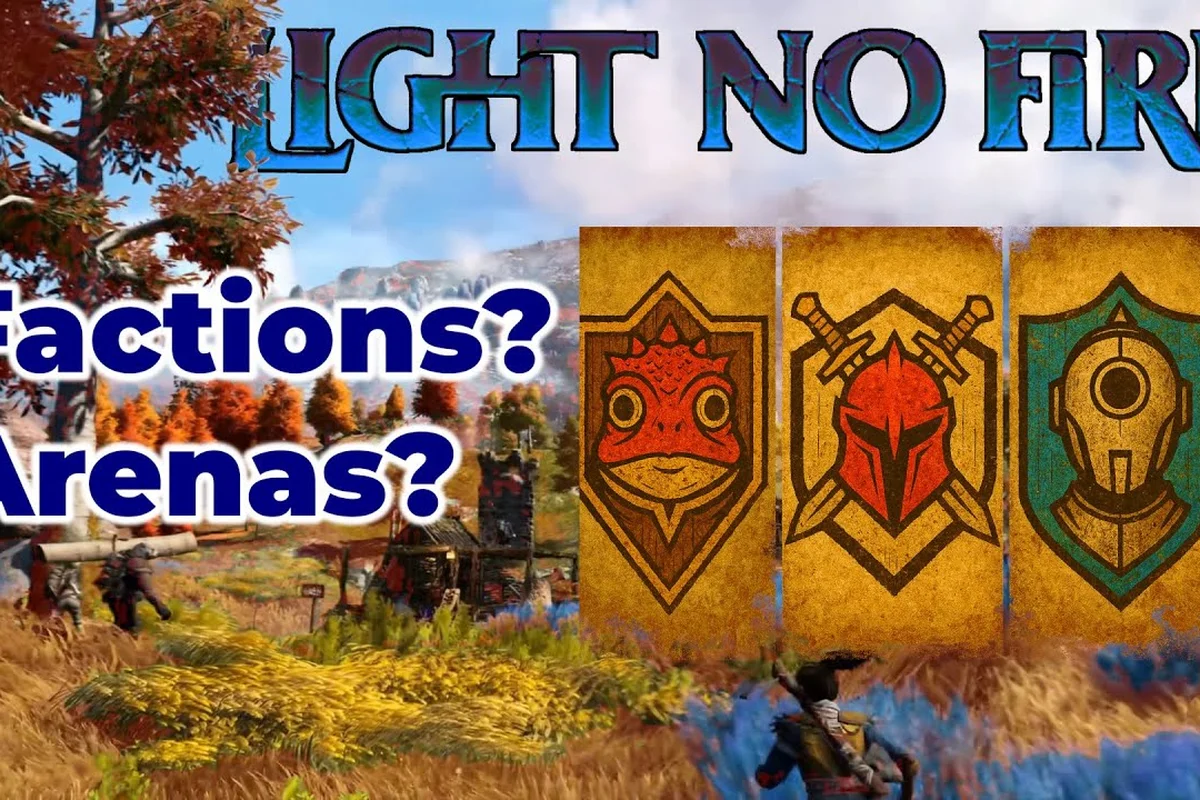
Light No Fire guilds will define how you experience the shared fantasy Earth that Hello Games is building. Because the game drops you onto a procedurally generated planet the size of our own, no single player can explore everything alone—which is exactly why forming light no fire clans with trusted allies transforms the experience from a lonely survival grind into a thriving civilization project. The official Steam description confirms this vision: "Meet players from across the globe, build a life, explore and survive together." That promise only becomes reality when you organize. Get the latest guild-building strategies below, from recruitment to governance, so you step onto that planet ready to lead rather than wander aimlessly.
Why Light No Fire Guilds Matter in a Shared World
| Official Source | Key Guild-Relevant Feature | Source Tier | Verified Date |
|---|---|---|---|
| Steam Store Page | Persistent buildings and communities | L1 | 2026-08-11 |
| Official Website | Earth-sized fantasy planet for co-op survival | L1 | 2026-08-11 |
| Wikipedia | Procedurally generated multiplayer planet | L3 | 2026-08-11 |
| Announcement Trailer | First official gameplay reveal (2:05 duration) | L1 | 2026-08-11 |
The scale of Light No Fire is the single biggest argument for joining a guild. According to community data from the official Steam discussions, players are already debating how the shared world will function, with hundreds of threads speculating about PvP versus PvE dynamics and whether persistent buildings will survive across sessions. The developer's own marketing language—"construct persistent buildings and communities"—strongly suggests that what you build stays in the world for others to discover. That permanence makes light no fire clans essential, because a lone player simply cannot defend, maintain, and expand a persistent settlement while also exploring the vast map.
Beyond defense, guilds solve the resource specialization problem. In a world this large, gathering every material yourself becomes a full-time job. A well-organized group divides labor: one squad hunts rare ores in the mountains, another farms the fertile lowlands, and a third scouts uncharted regions for new discoveries. This division mirrors how real civilizations formed, and the game's emphasis on survival mechanics rewards exactly that kind of cooperative efficiency. The shared progression loop means your guild's collective knowledge—map data, resource locations, building techniques—compounds faster than any solo player's experience ever could.
Here is what a functional guild provides that solo play cannot:
-
Persistent infrastructure — buildings and communities that remain in the world for other players to encounter, creating a living legacy.
-
Collective security — numbers deter hostile players and provide backup when exploring dangerous biomes or ancient ruins.
-
Accelerated progression — specialized roles mean someone always has the tool or material you need, cutting downtime dramatically.
-
Social accountability — a reason to log in beyond personal goals, since your guildmates depend on your contributions.
-
Knowledge sharing — discoveries, map markers, and survival tricks spread through the group instantly, avoiding redundant mistakes.
The civilization-building loop that Hello Games describes—adventure, building, survival, and exploration together—only reaches its full potential when you have a crew. Solo play works for short sessions, but the long-term fantasy of carving out a corner of a planet-sized world is fundamentally a group activity. For players new to the game's core systems, understanding what you're getting into before you commit to a guild is worth reviewing in our Light No Fire overview guide, which breaks down the core mechanics you'll need to contribute effectively.
Guild Types and Governance Models
| Guild Activity | Community Focus | Source | Relevance Score |
|---|---|---|---|
| Release date debates | Speculation on 2026 launch | Steam Community Forum | 0.9 |
| Character/race selection | Discussion of playable races | Steam Community Forum | 0.9 |
| Dragon mounts | Mount mechanics and acquisition | Steam Community Forum | 0.9 |
| PvP vs PvE | Shared world gameplay structure | Steam Community Forum | 0.9 |
Not all light no fire guilds are created equal, and choosing the right structure for your group matters more than most players expect. The governance model you adopt determines how decisions get made, how resources are distributed, and whether your guild survives its first major conflict. Based on patterns emerging in the Steam community discussions, most groups fall into one of four archetypes, each with distinct strengths and weaknesses.
| Guild Type | Core Focus | Best For | Key Weakness |
|---|---|---|---|
| Builder Collective | Massive construction projects, towns, and landmarks | Players who love architecture and urban planning | Vulnerable to raids if defense is neglected |
| Expedition Company | Exploration, mapping, and discovery | Scouts and cartographers who want to see everything | Lacks a permanent home base |
| Trade Syndicate | Resource gathering, crafting, and commerce | Economically minded players who enjoy the market | Requires constant logistics coordination |
| War Band | PvP dominance, territory control, and defense | Combat-focused players seeking conflict | Struggles during peaceful content droughts |
The Builder Collective model works best for players who want to leave a permanent mark on the world. These guilds typically claim a region, establish a town with shared facilities, and focus on creating something impressive that other players will stumble upon. The trade-off is that a large, visible settlement becomes a target, so these groups need at least a small defense force even if they don't seek conflict.
Expedition Companies operate on the opposite principle—they stay mobile, mapping the world and selling or sharing their discoveries. These light no fire clans are ideal for players who want to see everything the planet offers without being tied to one location. Their weakness emerges when they need a safe place to store accumulated resources, which is why many eventually establish a small forward operating base.
Trade Syndicates treat the game's economy as their primary battlefield. They control resource flows, maintain crafting monopolies, and become the go-to suppliers for other guilds. This model requires serious logistical planning and reliable members who show up for scheduled gathering runs. The War Band archetype, meanwhile, prioritizes combat readiness above all else, positioning itself to dominate contested territory and protect allied settlements for a price.
Your choice of governance structure—democratic voting, council-led, or autocratic—should match your guild's size and member personalities. Small groups of close friends often thrive with informal consensus, while larger light no fire clans need written rules and clear leadership hierarchies to prevent chaos. The council model works well for mid-sized guilds: a small leadership team handles day-to-day decisions while major policy changes go to a full membership vote.
Building Your Guild from Scratch
Starting a guild requires more than just declaring yourself the leader and inviting strangers. The recruitment funnel—attracting, vetting, and retaining members—determines whether your light no fire community grows into something sustainable or collapses within the first month. Community reports from the Steam forums suggest that the most successful guilds follow a structured onboarding process rather than accepting anyone who asks.
Define Your Guild Identity
Before you recruit anyone, you need a clear identity that answers three questions: What does your guild do? What does it value? What does it expect from members? A guild that positions itself as a builder collective will attract different players than one advertising as a PvP war band. Write a short mission statement and post it in your recruitment channels. Players join groups that project confidence and clarity, not vague "we play the game together" pitches.
Your identity also determines your recruitment criteria. If you're building a trade syndicate, you want members who enjoy grinding resources and understand market dynamics. If you're forming an expedition company, you need players who are curious, patient, and willing to travel. Screening for these traits during the application process saves you from onboarding members who quit after a week because the guild's activities don't match their interests.
Establish Communication Infrastructure
Every successful light no fire guild runs on external communication tools, because in-game chat alone cannot support the coordination a large group needs. The Discord server is the industry standard—it provides voice channels for group activities, text channels for different topics, and role-based permissions that mirror your guild's hierarchy. Set up your server before you start recruiting, with channels for announcements, general chat, recruitment, trade, and each major activity your guild pursues.
The onboarding pipeline should be equally structured: new recruits get a welcome message explaining guild rules, a role assignment matching their interests, and an introduction to a mentor who shows them the ropes. According to community data, guilds that assign mentors retain significantly more new members than those that leave recruits to figure things out alone. The first week is when most players decide whether a guild is worth staying in, so make that week count.
Create a Resource Sharing System
Resource distribution is the most common source of guild conflict. The shared bank system—where members deposit surplus materials and withdraw what they need for projects—works well for builder collectives and trade syndicates. Set clear rules about what goes into the bank, what members keep for personal use, and how major withdrawals get approved. Some guilds use a contribution score system where members earn priority access to rare materials based on how much they've donated.
For light no fire online co-op sessions, coordinate gathering runs where the whole guild tackles a resource-rich region together. These events build camaraderie while filling the shared bank, and they give newer members a chance to learn from veterans. Schedule regular events—weekly building sessions, exploration expeditions, or resource harvests—to keep the guild active and engaged. A guild that only exists on paper will lose members to more active competitors.
Recruiting and Retaining Members
Recruitment is an ongoing process, not a one-time event. The member lifecycle—attract, onboard, engage, retain—requires constant attention, especially in the early days of a new game when player populations are still settling. Light no fire clans that build strong communities early gain a significant advantage because they become known entities that players seek out.
Where to Recruit
The official Light No Fire Steam Community is the most active recruitment hub, with hundreds of discussion threads where players are already organizing. Post your guild's recruitment message there, but also engage with existing threads rather than just dropping links. Players respond to guilds that participate in the community, not ones that spam advertisements. The official Light No Fire website also has wishlist and community features worth monitoring for official announcements about guild tools.
Social media platforms and Discord server directories are secondary recruitment channels. The Light No Fire subreddit and various fan Discords host recruitment threads where you can find players who are actively looking for groups. When you post recruitment messages, include your guild's identity, activity schedule, and expectations so potential members can self-select before applying.
The Trial Period Approach
The trial period—a one-to-two-week probationary phase before full membership—protects your guild from disruptive recruits. During the trial, new members participate in activities, learn the guild's culture, and demonstrate their reliability. Full membership grants access to the shared bank, voting rights, and leadership positions. This system filters out players who join casually and disappear, while giving committed players a clear path to advancement.
Community reports indicate that guilds using trial periods experience fewer internal conflicts because they've already vetted members before granting full privileges. The trial period also gives recruits a chance to evaluate the guild from the inside, reducing the likelihood that they'll leave shortly after joining. Make the expectations clear upfront: trials that meet activity requirements and contribute positively graduate to full membership automatically.
Retention Through Engagement
Retention is harder than recruitment because it requires ongoing effort. The engagement loop—regular events, meaningful progression, and social connection—keeps members logging in. Schedule recurring activities that give members something to look forward to: weekly building competitions, exploration challenges, or cooperative resource runs. Recognize contributions publicly, whether through a member of the week announcement or a simple thank-you in guild chat.
The leadership pipeline matters for retention too. Members who see a path to leadership roles—squad leader, event organizer, resource manager—stay invested because they have something to work toward. Rotate event organization among members so no one burns out, and actively solicit feedback about what members want from the guild. A guild that adapts to its members' needs retains them far longer than one that sticks rigidly to its founding vision.
Advanced Guild Strategies for Long-Term Success
Once your guild has a stable membership base, you can pursue advanced strategies that separate thriving light no fire clans from mediocre ones. These tactics require coordination and commitment, but they produce results that make your guild a recognized force on the server.
Claim and Develop Territory
The territory claim strategy involves identifying a region with valuable resources, defensible geography, and room to expand, then establishing a permanent presence there. According to the game's official description of "construct persistent buildings and communities," your guild's structures will remain in the world, making early claims potentially valuable for the life of the server. Scout multiple regions before committing, because relocating a settlement is expensive in both time and resources.
Your settlement layout should prioritize functionality: central storage, crafting stations, defensive walls, and residential areas. The community building guide covers construction techniques in depth, but the key principle is designing for expansion. Build your core infrastructure first, then add specialized structures as your guild grows. A well-designed settlement becomes a hub that attracts other players, which can lead to trade relationships or even alliances.
Form Alliances and Trade Networks
No guild is an island, and the alliance system—formal agreements between light no fire clans—extends your reach without requiring you to absorb more members. Alliances work best between complementary guilds: a builder collective partners with a war band for defense, or a trade syndicate supplies an expedition company in exchange for map data. These relationships create a mutual support network that benefits all parties.
The trade network is the economic extension of alliances. Establish regular trade routes between allied guilds, with agreed-upon exchange rates for common resources. This reduces everyone's gathering burden and creates diplomatic ties that discourage conflict. When disputes arise between allied guilds, the alliance structure provides a framework for resolution that doesn't escalate to open warfare.
Prepare for Endgame Conflicts
The endgame preparation strategy assumes that territorial disputes and large-scale conflicts will eventually occur, whether the game features full PvP or limited PvP zones. Stockpile defensive resources, maintain a ready response team, and establish fallback positions in case your main settlement comes under attack. The guilds that survive major conflicts are the ones that prepared for them in advance, not the ones that improvised when the first raid happened.
The diplomatic approach often prevents conflicts before they start. Maintain communication with neighboring guilds, establish clear boundaries, and negotiate rather than escalate when disputes arise. A guild known for fair dealing attracts allies and deters aggressors, while a guild that attacks first makes enemies that eventually cooperate against it. Long-term success in a persistent world favors the diplomats over the warmongers.
Frequently Asked Questions
What is the best way to find light no fire guilds before launch?
The official Steam Community forums are the most active recruitment hub, with hundreds of threads where players are organizing guilds ahead of launch. Discord server directories and the Light No Fire subreddit also host recruitment posts. Search for guilds matching your playstyle and apply to several before committing to one.
How many members should a light no fire guild have?
15-25 active members is the sweet spot for most Light No Fire guilds. This provides enough manpower for persistent community construction projects without creating coordination chaos. Smaller groups of 5-10 work well for close-knit exploration teams, while 20-50 supports specialized roles. Quality matters more than quantity—reliable players outperform inactive ones.
Can I switch guilds if my first choice doesn't work out?
Yes, but weigh the costs first. Leaving a guild means forfeiting shared persistent buildings, territory, and resources you helped develop on the Earth-sized map. Most guilds won't hold a grudge, but frequent switching hurts your recruitment prospects. Give your first guild several weeks, then communicate your reasons respectfully.
Will Light No Fire have official guild tools?
Hello Games has not announced official guild tools, so expect to organize via Discord servers until then. The Steam description confirms "construct persistent buildings and communities," meaning your clan's shared structures will anchor your group. For now, focus on claiming a region and building a communal base to establish your guild's presence.
How do I handle conflicts within my guild?
Address disputes privately and early, before they escalate into guild-wide drama. Have an officer mediate, with the guild leader making final calls on serious issues. Document your rules in writing so standards are clear. If a member consistently violates them, remove them quickly—protecting morale on your Earth-sized server outweighs keeping one toxic player.